From Pallet To Bin: Optimizing Spare Parts Management With Rivet Shelving And Plastic Crates
Apr 29, 2026
your 2026 sustainability and efficiency targets.
From Pallet to Bin: Optimizing Spare Parts Management with Rivet Shelving and Plastic Crates
The Hidden Cost of Disorganized Spare Parts
As a European warehouse manager or procurement lead, you know the frustration all too well: a critical machine goes down, your maintenance team rushes to find a replacement part, and-it's missing, misplaced, or buried under a pile of palletized inventory.
Disorganized spare parts management costs European manufacturers an average of 120 hours yearly in downtime and 8% of inventory value in obsolete stock, per the 2026 European MRO Logistics Report. Pallet racking, while great for bulk goods, is overkill for small, high-SKU spare parts-slow to access, space-inefficient, and impossible to organize at the individual part level.
The solution? A strategic shift from pallet-only storage to rivet shelving with plastic crates-the dynamic duo transforming how European warehouses manage MRO (Maintenance, Repair, and Operations) inventory in 2026. This guide will walk you through why this combination is a game-changer, its core advantages, real-world applications, and how to select the right system for your warehouse.
Why Rivet Shelving + Plastic Crates Are Perfect for Spare Parts
Rivet Shelving: The Flexible Backbone of Small Parts Storage
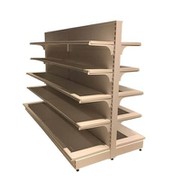
Rivet shelving (boltless shelving) is the unsung hero of MRO storage-and for good reason. Unlike bulky pallet racking, it's designed for manual access, frequent reconfiguration, and small-to-medium loads (up to 100kg per shelf, UDL).
Tool-Free Assembly: No bolts, no screws-just a rubber mallet needed to set up. Reconfigure shelf heights in minutes to adapt to changing part sizes.
Space Efficiency: Narrower aisles (1–1.5m vs. 3–5m for pallet racking) mean you fit 30% more storage capacity in the same footprint.
Durability & Affordability: Powder-coated steel resists corrosion; costs 40–60% less than pallet racking for small parts applications.
Direct Access: Every shelf is at arm's reach-no forklifts required, cutting picking time by 50% for fast-moving spare parts.
Plastic Crates: The Organized Heart of Spare Parts Management
Plastic storage crates turn open shelving into a precision inventory system-ideal for sorting screws, seals, gaskets, valves, and other small spare parts.
Clear Visibility: Transparent or colored bins let you identify contents at a glance, no need to open lids.
Stackable & Nestable: Maximize vertical space when full; nest together when empty to save 70% of storage space.
Protection from Elements: Sealed lids shield parts from dust, moisture, and contaminants-critical for European warehouses with humid or cold storage zones.
Sustainability & Compliance: 2026 industry trend: recycled PP/HDPE crates (70–90% post-consumer plastic) meet EU circular economy directives and ESG goals.
The Synergy: Rivet Shelving + Plastic Crates = 5S-Compliant MRO Storage
Together, they create a 5S (Sort, Set in Order, Shine, Standardize, Sustain)-ready system- the gold standard for European warehouse organization. Every spare part has a "home," labeled with QR codes or part numbers, reducing misplacement and stockouts by up to 60%.
Key Benefits for European Warehouse Managers
Slash Downtime with Faster Parts Retrieval
In MRO, every minute counts. Rivet shelving puts spare parts at eye level; plastic crates let you locate items in seconds. European automotive and food manufacturing warehouses using this combo report a 40% reduction in mean time to repair (MTTR).
Reduce Inventory Waste & Obsolete Stock
Palletized spare parts are often "out of sight, out of mind"-leading to overstocking and obsolete inventory. Rivet shelving + crates enforce ABC analysis: fast-moving parts (A-class) at waist height, slow-moving (C-class) at top/bottom. This cuts obsolete stock by 25% and frees up working capital.
Adapt to 2026 Industry Trends
IoT-Enabled Inventory: Smart plastic crates with RFID tags integrate with cloud-based MRO software for real-time stock tracking-critical for European warehouses adopting AI-driven demand forecasting.
Modular Scalability: As your SKU count grows, add rivet shelving bays and crates incrementally-no need for a full warehouse overhaul.
Regulatory Compliance: CE-marked rivet shelving and REACH-compliant plastic crates meet EU safety and environmental standards, avoiding fines and insurance issues.
Improve Worker Safety & Ergonomics
No more climbing ladders or reaching into pallet racks for small parts. Rivet shelving's ergonomic height (0.8–1.2m) reduces strain; plastic crates prevent loose parts from falling, cutting workplace accidents by 35%.
Real-World Applications: Where This Combo Shines
Manufacturing & Automotive MRO
Ideal for storing engine components, electrical parts, and fasteners. German automotive plants use heavy-duty rivet shelving (100kg/shelf) with stackable plastic crates to organize 500+ SKUs per maintenance zone.
Food & Beverage Warehouses
Food-grade HDPE plastic crates (BPA-free) store seals, gaskets, and conveyor parts-easy to clean and compliant with EU food safety regulations. Rivet shelving resists corrosion in humid production environments.
Logistics & 3PL Distribution Centers
Perfect for managing client-specific spare parts inventory. Modular rivet shelving layouts adapt to fluctuating SKU counts; color-coded plastic crates simplify cross-docking and order picking.
Pharmaceutical & Medical Device Storage
Cleanroom-safe plastic crates protect sensitive components from contamination; boltless rivet shelving allows quick reconfiguration for batch-specific storage needs.
How to Select the Right Rivet Shelving & Plastic Crates (2026 Guide)
Step 1: Choose Rivet Shelving Specs
Load Capacity: Medium-duty (50–80kg/shelf) for general parts; heavy-duty (80–100kg/shelf) for valves, motors, or metal components.
Dimensions: Standard bays (1000–1500mm W × 400–600mm D); adjust height (2000–3000mm) to fit your warehouse ceiling.
Finish: Powder-coated gray/blue (standard) or galvanized (for humid/cold storage).
Step 2: Pick the Right Plastic Crates
Size: Small (300×200×150mm) for screws/fasteners; medium (400×300×200mm) for gaskets/seals; large (500×400×250mm) for valves/electrical parts.
Material: Recycled PP (sustainable, budget-friendly) or virgin HDPE (food-grade, chemical-resistant).
Features: Stackable/nestable design, clear lids, QR code labels, and reinforced bases for heavy loads.
Step 3: Align with 2026 Trends
Sustainability First: Prioritize recycled plastic crates and steel shelving made from 30%+ recycled metal to meet EU CSRD requirements.
IoT Readiness: Choose crates with pre-installed RFID slots for seamless integration with your MRO/ERP system.
Modular Flexibility: Opt for boltless shelving with adjustable shelves (50mm increments) to adapt to evolving part sizes.
Step 4: Verify Supplier Expertise
Partner with suppliers specializing in European MRO storage solutions that offer:
CE marking and EN 10223 compliance for shelving.
REACH and EU food safety certifications for crates.
Custom sizing, free layout design, and third-party load testing reports.
Final Thoughts: Future-Proof Your Spare Parts Management
In 2026, efficient spare parts management isn't just about organization-it's about reducing downtime, cutting costs, and meeting sustainability goals. Rivet shelving and plastic crates aren't just storage products; they're a strategic investment in your warehouse's productivity and resilience.
By ditching inefficient pallet-only storage and adopting this dynamic duo, you'll transform your MRO zone from a source of frustration into a model of 5S compliance, speed, and sustainability.
Ready to Optimize Your Spare Parts Storage for 2026?
Don't let disorganized spare parts cost you downtime or obsolete inventory. Our team of European storage experts specializes in custom rivet shelving and plastic crate solutions tailored to MRO, manufacturing, and logistics warehouses.