

What are the installation requirements for a drive in rack floor?
Dec 26, 2025
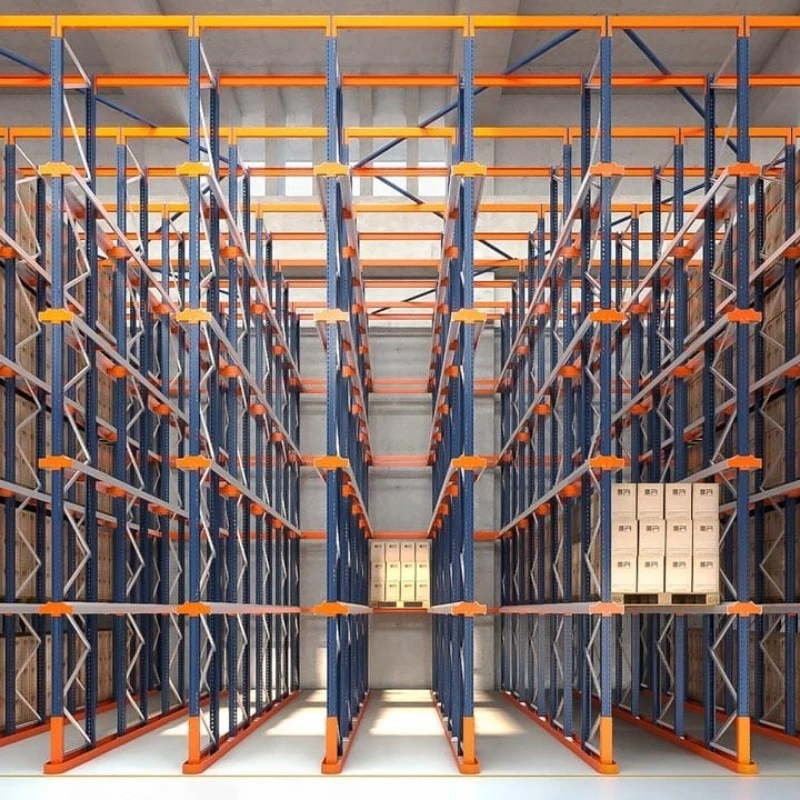
When it comes to optimizing warehouse space and improving storage efficiency, drive in racks are an excellent solution. As a drive in rack supplier, I've witnessed firsthand the transformative impact these systems can have on various industries. However, a successful installation of drive in rack floors hinges on meeting specific requirements. In this blog post, I'll delve into the key installation requirements for a drive in rack floor, ensuring that you can make the most of this storage solution.
1. Floor Flatness and Levelness
One of the most critical factors for drive in rack installation is the flatness and levelness of the floor. Drive in racks rely on a stable and even surface to function properly. Uneven floors can lead to misalignment of the racking system, which may cause instability, difficulty in forklift operation, and potential damage to the racks and stored goods.
The floor should have a maximum deviation of no more than 6mm over a 3 - meter length. This level of flatness ensures that the upright frames of the drive in racks can be installed vertically and securely. Any significant deviations can result in excessive stress on the rack components, increasing the risk of structural failure over time.
To measure floor flatness, a straightedge or a laser level can be used. If the floor does not meet the required flatness standards, corrective measures such as grinding or applying a self - leveling compound may be necessary. These steps can help to create a suitable surface for the drive in rack installation.
2. Floor Load - Bearing Capacity
Another crucial requirement is the floor's load - bearing capacity. Drive in racks are designed to store large quantities of heavy pallets, so the floor must be able to support the combined weight of the racks, the stored goods, and the forklifts operating within the system.
The load - bearing capacity of the floor is typically measured in kilograms per square meter (kg/m²). The specific load requirements depend on the design of the drive in rack system and the maximum weight of the pallets to be stored. For example, a heavy - duty drive in rack system used for storing industrial products may require a floor with a load - bearing capacity of 5,000 kg/m² or more.
Before installing the drive in racks, it's essential to consult with a structural engineer to determine the actual load - bearing capacity of the floor. If the existing floor does not meet the required capacity, reinforcement measures such as adding additional support columns or strengthening the concrete slab may be needed.
3. Floor Surface Condition
The surface condition of the floor also plays an important role in the installation of drive in racks. A smooth and clean floor surface is necessary for the proper movement of forklifts and the prevention of damage to the rack components.
The floor should be free of cracks, holes, and other surface defects. Cracks can weaken the floor structure and cause uneven settlement, while holes can pose a hazard to forklift operators. Additionally, a dirty or oily floor can reduce the traction of forklift tires, increasing the risk of accidents.
To ensure a suitable floor surface, it's recommended to clean the floor thoroughly before installation. Any cracks or holes should be repaired using appropriate patching materials. If the floor has a high level of oil or grease contamination, a degreasing agent can be used to remove the contaminants.
4. Floor Dimensions and Layout
The dimensions and layout of the floor are important considerations for drive in rack installation. The drive in rack system should be designed to fit the available floor space efficiently, maximizing storage capacity while allowing for easy forklift access.
The length and width of the floor should be measured accurately to determine the appropriate size and configuration of the drive in racks. The layout should also take into account the flow of forklift traffic, ensuring that there is enough space for the forklifts to enter and exit the racks safely.
In addition, the floor should have sufficient clearance around the perimeter of the drive in rack system. This clearance is necessary for maintenance access, fire safety, and to prevent damage to the racks from external factors such as vehicle collisions.

5. Compatibility with Forklift Operations
The drive in rack floor must be compatible with the forklift operations that will be carried out within the system. Different types of forklifts have different turning radii, mast heights, and load - handling capabilities, which can affect the design and installation of the drive in racks.
For example, reach trucks are commonly used in drive in rack systems. These forklifts require a certain amount of space to maneuver within the racks. The floor should be designed to accommodate the turning radius of the reach trucks, allowing them to access the pallets without difficulty.
The height of the ceiling and the clearance between the top of the racks and the ceiling are also important factors. The forklift mast must be able to lift the pallets to the required height without hitting the ceiling. If the ceiling height is insufficient, it may be necessary to adjust the design of the drive in rack system or to use forklifts with a lower mast height.
6. Environmental Considerations
Environmental factors can also impact the installation requirements for a drive in rack floor. For example, in cold storage facilities, the floor must be able to withstand low temperatures and prevent the formation of ice and frost.
Cold Storage Drive in Pallet Racking systems require floors that are insulated and have a high resistance to thermal shock. Special floor coatings may be applied to prevent moisture penetration and to improve the floor's durability in cold environments.
In addition, if the drive in rack system is installed in an area with high humidity or exposure to chemicals, the floor should be made of materials that are resistant to corrosion and degradation. Stainless steel or epoxy - coated floors may be suitable for such environments.
7. Compliance with Safety Standards
Finally, the installation of drive in racks must comply with relevant safety standards and regulations. These standards are in place to ensure the safety of workers, the protection of stored goods, and the overall integrity of the storage system.
Safety standards may cover aspects such as the design and construction of the racks, the installation process, and the operation of forklifts within the system. For example, the racks should be designed to withstand seismic forces in earthquake - prone areas, and they should be equipped with appropriate safety features such as anti - tip devices and load - capacity indicators.
Before installing the drive in racks, it's important to familiarize yourself with the local safety standards and regulations. Working with a professional installer who is knowledgeable about these requirements can help to ensure that the installation is carried out safely and in compliance with the law.
In conclusion, the installation of a drive in rack floor requires careful consideration of various factors, including floor flatness, load - bearing capacity, surface condition, dimensions, forklift compatibility, environmental factors, and safety standards. By meeting these requirements, you can ensure a successful installation of the drive in rack system, maximizing storage efficiency and safety in your warehouse.
If you're interested in Drive In Pallet Racking or Heavy Duty Drive in Storage Racks for your business, I encourage you to reach out. Our team of experts can provide you with detailed information, customized solutions, and a free consultation to help you make the best decision for your storage needs. Contact us today to start the conversation and take your warehouse storage to the next level.
References
- "Warehouse Storage Systems Design and Implementation" by John Smith
- "Forklift Safety and Operation Manual" published by the National Forklift Association
- Building Codes and Safety Standards for Industrial Storage Facilities